
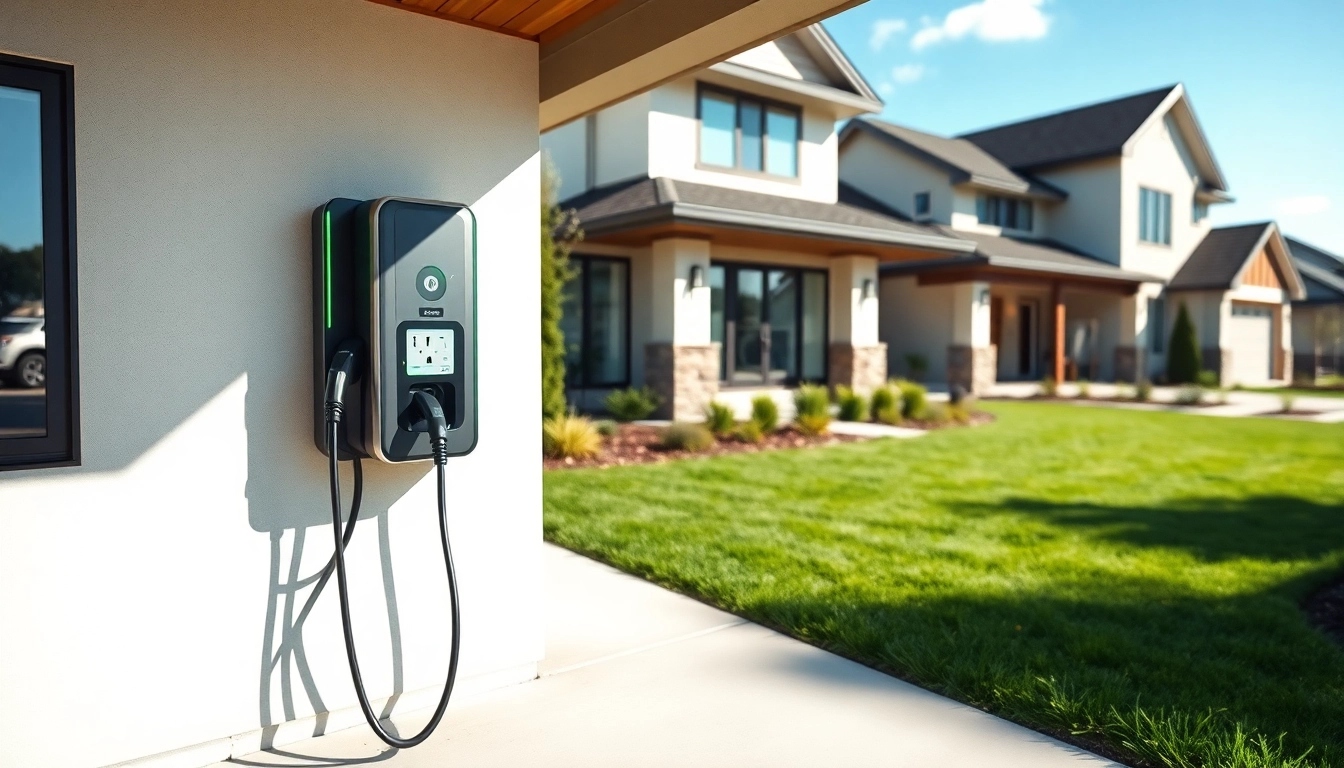
Understanding Home EV Charging with McNally EV
What is Home EV Charging?
Home EV charging refers to the process of replenishing the battery power of electric vehicles (EVs) using a dedicated charger installed at a residential location. Unlike traditional gas stations, home charging stations allow EV owners to charge their vehicles conveniently at home. This provides a seamless solution for daily charging needs, especially for individuals who drive short distances regularly. While there are various ways to charge an EV, installing a home charging station is often the most efficient and practical approach, significantly reducing charging time and improving the overall user experience. For a specifically tailored solution, McNally EV offers specialized installations that optimize your home charging setup.
Benefits of Installing a Home EV Charger
Choosing to install a home EV charger comes with a multitude of benefits:
- Convenience: Charge your vehicle anytime, eliminating the need to visit public chargers or gas stations.
- Cost Savings: Home electricity rates are often lower than public charging stations, allowing for significant savings over time.
- Increased Accessibility: No more worrying about whether a public charging station is available when you need it.
- Enhanced Control: Monitor and manage your charging schedule according to your needs.
- Future-Proofing: With growing EV adoption, having a home charger puts you ahead of the curve in electric vehicle technology.
Types of EV Chargers Available
When it comes to home EV chargers, there are primarily three types:
- Level 1 Chargers: Use a standard household outlet (120V), suitable for overnight charging but slower than other options.
- Level 2 Chargers: Require a dedicated 240V outlet, offering faster charging speeds, ideal for home installations.
- DC Fast Chargers: Typically not suitable for home use due to high voltage requirements but are found at public charging stations.
Steps for Installing Your McNally EV Charger
Preparing for Installation
Before installation, it’s essential to assess your home’s electrical system to ensure it meets the requirements for the EV charger. This might require consultations with a licensed electrician who can evaluate your home wiring, circuit capacity, and overall electrical system’s integrity.
Choosing the Right Location
Finding the optimal location for your charger involves considering accessibility and safety. Ideally, the charging station should be close to where the vehicle is parked. Think about issues such as accessibility to power supply and protection from weather. Additionally, ensure the area is compliant with local regulations and codes.
Installation Process Explained
The installation process typically involves several steps:
- Site Inspection: A qualified technician inspects your home to evaluate the best charging point.
- Permits and Licensing: Securing necessary building permits and ensuring adherence to local codes.
- Electrical Work: Updating your electrical system may be needed to support the charger.
- Charger Installation: Proper mounting and configuration of your EV charger.
- Testing: Ensuring the charger operates correctly and safely functional.
Best Practices for Using McNally EV Chargers
Regular Maintenance Tips
Maintaining your home EV charger is crucial for safety and efficiency:
- Check connections regularly to ensure they are tight and secure.
- Inspect your charger for any visible damage or wear.
- Keep the area around the charger clean and free of obstructions.
- Schedule professional inspections annually to address any potential issues proactively.
Maximizing Charging Efficiency
To enhance the efficiency of your EV charging:
- Charge during off-peak hours when electricity rates are lower.
- Utilize smart charging features if available, allowing for automated charging schedules.
- Keep your EV battery in good condition through regular usage and management, which helps prolong its lifespan.
Safety Precautions to Consider
Safety is paramount when using home charging stations:
- Always follow the manufacturer’s instructions for your specific charger.
- Do not use extension cords or adapters not recommended by the charger manufacturer.
- Ensure that you have the proper electrical grounding and circuit protection in place.
- If you notice any issues or malfunctions, disconnect the charger immediately and call for professional assistance.
Cost Analysis: McNally EV Charger Installation
Initial Installation Costs
The costs associated with installing a home EV charger can vary significantly based on several factors, including charger type, location, and any necessary electrical upgrades. Generally, Level 2 home chargers can range from a few hundred to a few thousand pounds, with installation fees adding to the overall cost.
Long-term Savings on Charging
Over time, the savings on fuel costs can be substantial. Home charging often proves cheaper than public charging stations, particularly with energy prices and incentives for renewable energy usage coming into play.
Potential Incentives and Rebates
Many regions offer incentives or rebates for purchasing and installing home EV chargers, which can significantly offset the initial costs. It’s advisable to research any applicable local, state, or federal programs to take full advantage of potential savings.
Frequently Asked Questions about McNally EV Chargers
What is the typical installation time for a home EV charger?
Installation time can vary, but it typically takes between 3 to 8 hours, depending on the complexity of the electrical work required.
Can I install a McNally EV charger by myself?
While some may attempt DIY installation, it is highly recommended to hire a licensed electrician to ensure safety and compliance with local codes.
Do home EV chargers work with all electric cars?
Most home EV chargers are compatible with various electric vehicles; however, checking the specifics of your vehicle and charger is essential for compatibility.
What electrical requirements are needed for installation?
Typically, a dedicated 240-volt circuit is needed for Level 2 chargers. You might also need specific circuit breakers and grounding in place.
Is it worth investing in a home EV charger?
Investing in a home EV charger usually pays off in convenience and long-term savings on energy costs, making it a worthwhile consideration for EV owners.
