Understanding Computer Recycling Newbury
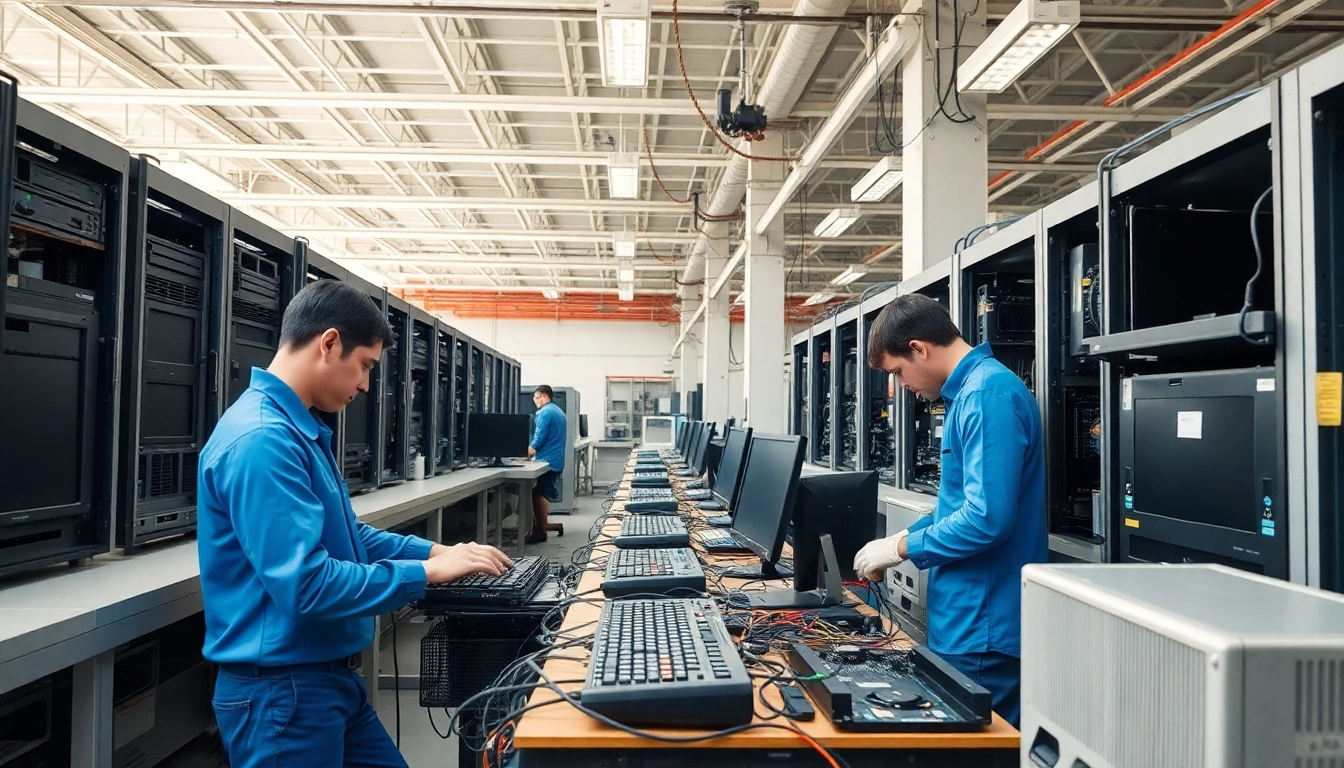
Computer recycling is an essential process that promotes environmental sustainability by disposing of electronic waste in a responsible manner. The practice involves the collection, dismantling, and recycling of old or unwanted computers, ensuring that harmful materials are safely handled and valuable resources are recovered. In the region of Newbury, the necessity of computer recycling newbury is amplified due to the increasing volume of e-waste generated by households and businesses alike.
What is Computer Recycling?
Computer recycling refers to the process of recovering and repurposing materials from outdated or non-functional electronic devices. This practice not only helps in managing the disposal of electronic items but also aids in recovering precious metals, plastics, and other materials found in computers. The recycling process generally includes collection, sorting, dismantling, and treating materials to mitigate environmental threats. As technology evolves, electronic devices become obsolete, leading to an increase in electronic waste, also known as e-waste, posing a significant challenge for consumers and businesses.
Benefits of Recycling Computers
The benefits of recycling computers are numerous and impact both the environment and society:
- Environmental Protection: Recycling reduces landfill waste and minimizes the risk of hazardous materials leaching into the soil and water.
- Resource Recovery: Valuable materials like gold, silver, copper, and plastic can be reclaimed from recycled computers, thus conserving natural resources.
- Energy Conservation: Recycling electronic materials often consumes less energy compared to extracting and processing raw materials.
- Job Creation: Establishing recycling facilities and initiatives can create local employment opportunities, contributing to community development.
- Data Security: Professional recycling processes ensure that sensitive data is eliminated, protecting businesses and individual privacy.
Local Regulations Regarding E-Waste
In Newbury and across the UK, e-waste is subject to specific regulations governing its disposal. The UK Waste Electrical and Electronic Equipment (WEEE) Regulations mandate that producers and sellers must provide options for consumers to recycle their e-waste. Recycling companies must be compliant with these regulations, ensuring that electronic waste is processed responsibly and ethically. Users should remain informed about local laws to ensure they’re following proper disposal practices, as improper disposal can lead to legal repercussions and environmental harm.
Best Practices for Computer Recycling Newbury
Following best practices can enhance the computer recycling experience and ensure that e-waste is managed responsibly. Here are some critical actions that can help streamline the process:
Preparing Your Equipment for Recycling
Before recycling your computer, it’s essential to prepare it adequately. This includes:
- Data Backup: Always back up essential information to prevent data loss before proceeding with recycling.
- Data Wiping: Use software to securely erase data from hard drives, protecting personal information and maintaining privacy.
- Removing Accessories: Detach any peripherals like keyboards, mice, and cables that may not be accepted at recycling centers.
Selecting a Responsible Recycling Center
Choosing the right recycling center is crucial for ensuring responsible computer recycling. Look for centers with proper certifications that demonstrate adherence to environmental standards. A reputable recycling center will provide transparent processes, detailing how they handle e-waste, ensuring that it doesn’t end up in landfills. Moreover, selecting make sure the center is local can help reduce transportation emissions.
Data Preservation and Destruction Techniques
Preserving and securely erasing data before recycling is fundamental. Data destruction techniques include physical destruction methods, such as shredding hard drives, or using software that overwrites data multiple times, rendering it unrecoverable. Understanding these techniques is vital to preventing identity theft and data breaches when recycling old computers.
Common Challenges in Computer Recycling Newbury
Despite its importance, computer recycling faces various challenges that can hinder effective execution. Addressing these challenges proactively can lead to better outcomes.
Identifying E-Waste Responsibilities
Many consumers are unaware of their responsibilities when it comes to e-waste. Often, individuals may not realize that they must ensure their electronics are disposed of properly. Education and awareness campaigns are essential to emphasize the importance of responsible recycling, along with guidance on how to do so effectively.
Overcoming Misconceptions about Recycling
Misconceptions about recycling can lead to reluctance in participating in these programs. For example, some individuals may believe that recycling is too time-consuming or that it does not significantly impact the environment. Combating these misconceptions with facts about the benefits of recycling can encourage greater participation and foster a culture of sustainability.
Handling Non-Recyclable Materials
Not all components of a computer are recyclable, and improper handling can lead to environmental hazards. It’s essential to educate consumers about the proper disposal of non-recyclable materials, such as batteries and certain plastics, which may require specialized disposal methods. Community outreach and informative resources can help consumers manage these challenges more effectively.
Innovative Approaches in Computer Recycling Newbury
Innovative practices can vastly improve computer recycling efforts within the community, leading to increased participation and more effective recycling strategies.
Community Involvement in E-Waste Programs
Engaging the community in e-waste recycling programs can enhance awareness and participation rates. Organizing local events, such as “e-waste drives,” where community members can drop off old electronics for recycling, fosters a sense of collective responsibility. Collaborating with schools, businesses, and local organizations can also amplify the reach of these initiatives.
Technological Advances in Recycling Processes
Emerging technologies are transforming how recycling centers process e-waste. Advanced sorting and material recovery technologies, such as automated systems that can separate valuable materials from non-recyclables, enhance efficiency and reduce waste. By adopting these technologies, recycling centers can improve their operations, leading to higher recovery rates.
Partnerships with Local Organizations
Forming partnerships with local charities and non-profits can expand the reach of computer recycling efforts. This collaboration can ensure that functional electronics are donated to those in need rather than being recycled, promoting inclusivity and reducing waste. Additionally, education-focused organizations can help inform the public about the importance of responsible recycling.
Future Trends in Computer Recycling Newbury
The landscape of computer recycling is rapidly evolving, influenced by legislative changes, technology advancements, and societal shifts towards sustainability.
Legislative Changes Impacting Recycling
As awareness of electronic waste grows, governments are expected to implement stricter regulations regarding e-waste management. Future policies may require more comprehensive producer responsibility schemes, compelling manufacturers to take back used products for recycling. This approach encourages a circular economy where materials are reused and remanufactured continuously.
Emerging Technologies in Electronic Waste Management
The influx of emerging technologies such as artificial intelligence (AI) and machine learning is likely to revolutionize electronic waste management. These technologies can optimize recycling processes, streamline logistics, and improve sorting accuracy, ultimately increasing recycling rates and resource recovery.
Building a Sustainable Recycling Ecosystem
Creating an efficient and sustainable recycling ecosystem requires collaboration among governments, businesses, and communities. Initiatives focused on education, transparency in processing methods, and innovative technology can help ensure a more sustainable future in electronic waste management, fostering a culture of responsibility towards e-waste.
Frequently Asked Questions
1. How can I prepare my old computer for recycling?
Before recycling, back up important data, securely erase it from your hard drive, and consider removing peripherals that can be reused or recycled separately.
2. What materials can be recycled from a computer?
Commonly recyclable materials include metals (like aluminum and copper), plastics, glass, and certain kinds of circuit boards. Non-recyclable components must be disposed of correctly.
3. Are there any costs associated with recycling my computer?
Many recycling centers offer free services for consumers. However, certain specialized facilities may charge fees, especially if they provide data destruction.
4. What happens to the data on my computer during recycling?
Professional recycling facilities take precautions to erase or destroy data to prevent unauthorized access, ensuring privacy and data security.
5. Can I donate my old computer instead of recycling it?
Yes, donating your functional computer to charities or educational institutions is a great way to extend its life and help those in need before considering recycling.
