
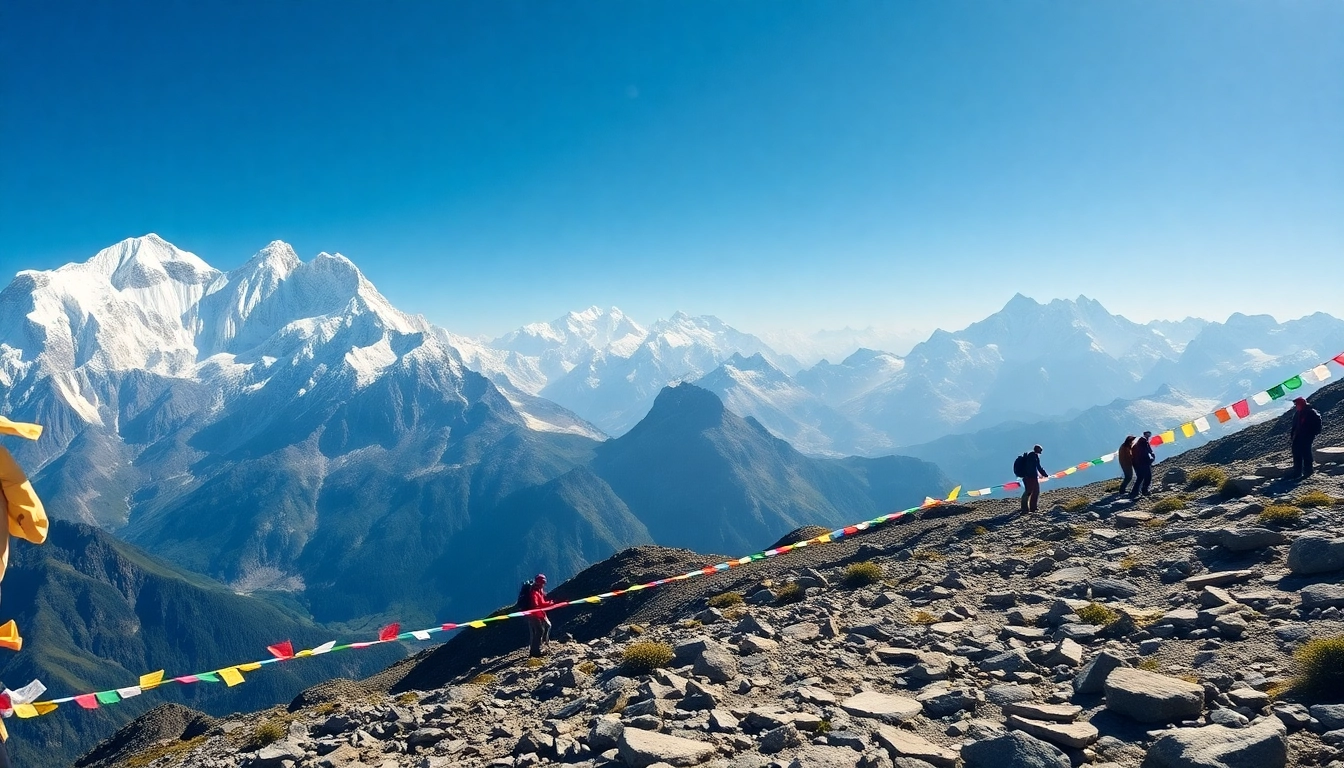
Introduction to the Mount Everest Base Camp Trek
The Mount Everest Base Camp Trek, one of the most revered trekking adventures worldwide, offers a unique blend of breathtaking landscapes and rich cultural experiences. Over 14 days, trekkers navigate through the Khumbu region of Nepal, with the destination being the legendary base camp at Everest, standing at an elevation of 5,364 meters (17,598 feet). This trek not only provides panoramic views of towering 8,000-meter peaks but also immerses travelers in the vibrant traditions of the Sherpa people. When exploring options, mount Everest base camp trek packages offer diverse itineraries catering to various budgets and preferences.
What to Expect on the Trek
Expect a journey filled with ups and downs—both literally and figuratively. The trek is challenging, requiring physical stamina and mental resilience, but it rewards adventurers with some of the most stunning views and unique cultural encounters in the world. From lush valleys to dramatic glaciers, trekkers will move through the heart of the Himalayas while experiencing the local way of life in villages like Namche Bazaar and Tengboche.
Historical Significance and Cultural Insights
The area surrounding Mount Everest is steeped in history and spirituality. The culture of the Sherpa people is deeply intertwined with the mountains, and many villages along the trekking route serve as gateways to sacred sites and monasteries, such as the famous Tengboche Monastery. Understanding this history enriches the trekking experience, making each step more meaningful as you walk in the footsteps of legendary climbers.
Preparation Steps for Beginners
For beginners, proper preparation is paramount. Physical training should start a couple of months prior, including cardio exercises and practice hikes to build endurance. Mental preparation is equally important; learning about altitude sickness and acclimatization procedures can help mitigate risks associated with high-altitude trekking.
Detailed Itinerary for the Mount Everest Base Camp Trek
Day-by-Day Breakdown
The itinerary is designed to ensure a gradual ascent, allowing hikers to acclimatize properly while enjoying the diverse landscapes and cultural experiences. Here’s a quick overview of the daily activities:
- Day 1: Arrival in Kathmandu.
- Day 2: Fly to Lukla and trek to Phakding.
- Day 3: Trek from Phakding to Namche Bazaar.
- Day 4: Acclimatization day in Namche: hike to Hotel Everest View.
- Day 5: Trek to Tengboche.
- Day 6: Trek to Dingboche.
- Day 7: Acclimatization day: hike to Nangkartsang Peak.
- Day 8: Trek to Lobuche.
- Day 9: Trek to Everest Base Camp and back to Gorak Shep.
- Day 10: Early morning hike to Kala Patthar and descend to Pheriche.
- Day 11: Trek back to Namche Bazaar.
- Day 12: Trek to Lukla.
- Day 13: Fly back to Kathmandu.
- Day 14: Departure from Kathmandu.
Key Highlights Along the Route
- Stunning views of the world’s highest peaks, including Mount Everest, Lhotse, and Nuptse.
- Cultural encounters with the Sherpa people and visits to traditional monasteries.
- Unique landscapes ranging from verdant valleys to stark glacial terrains.
- Acclimatization days to enhance physical readiness for higher altitudes.
Acclimatization Strategies
Acclimatization is crucial to avoid altitude sickness. Trekkers should ascend slowly and plan rest days strategically, taking advantage of stops in places like Namche Bazaar and Dingboche to allow the body to adapt to thinner air. Hydration and a diet rich in carbohydrates also play essential roles in acclimatization.
Essential Gear and Packing for the Trek
Clothing Recommendations for Various Conditions
Layering is key when it comes to clothing for the Everest Base Camp trek. Wanderers will need to prepare for varying weather conditions, including cold mornings and warmer afternoons. Essential clothing includes:
- Moisture-wicking base layers.
- Insulating middle layers (fleece or down jackets).
- Waterproof and windproof outer layers (jackets and pants).
- Thermal socks, gloves, and hats.
Necessary Equipment for Safety and Comfort
Beyond clothing, proper trekking equipment is vital for ensuring safety and comfort. Recommended gear includes:
- Sturdy, waterproof trekking boots with ankle support.
- Backpacks with hydration systems for easy access to water.
- Headlamps for early morning starts or night-time activities.
- First-aid kits that include altitude sickness medications, band-aids, and blister treatments.
Pro Tips for Packing Light
Packing light is crucial for a successful trek. Here are some tips:
- Use multi-purpose clothing items.
- Limit the number of shoes to one pair of trekking boots.
- Pack lightweight, compact gear.
- Utilize compression bags to save space.
Cost Breakdown and Budgeting for the Trek
Understanding the Costs Involved
The overall cost of the Mount Everest Base Camp trek can vary widely depending on factors such as the trekking agency chosen, included amenities, and the duration of the trip. Typically, a comprehensive package might range from $1,650 to $4,500. This includes accommodation, meals, guides, permits, and domestic flights, but excludes personal expenses and tips.
Tips for Saving Money Without Compromising Experience
To economize without compromising the overall trekking experience, consider these strategies:
- Travel during off-peak seasons to take advantage of lower prices.
- Opt for all-inclusive packages that cover meals and accommodation.
- Be mindful of additional expenses like snacks and beverages along the trail.
Comparing Different Trek Packages Available
Various trekking agencies offer different packages ranging from standard treks to luxury experiences. It’s worth comparing what’s included in each package, such as the level of accommodation, meal plans, and the size of trekking groups.
Health and Safety Considerations
Preventing Altitude Sickness
Altitude sickness can affect anyone regardless of fitness level. Symptoms can range from mild headaches to severe complications, making it vital to follow structured acclimatization practices, stay hydrated, and monitor physical condition closely.
Emergency Procedures on the Trek
Each trekking company will have protocols in place for emergencies, including the availability of medical support in case of severe altitude sickness. Ensure that guides are properly trained and that emergency evacuation procedures are understood before the trek begins.
Health Tips for High-Altitude Trekkers
For trekkers planning to tackle the Everest Base Camp trek, here are some health tips:
- Consult with a healthcare provider before departure to address any pre-existing health issues.
- Maintain a balanced diet with sufficient carbohydrates to fuel your journey.
- Incorporate practices like stretching and yoga to promote flexibility and stamina.
