
Understanding Central Heating Leak Detection
Central heating systems are essential for maintaining a comfortable living environment, ensuring warmth during the colder months. However, leaks within these systems can lead to significant damage, not just to your heating infrastructure but also to your property. The good news is that there are professional services available that specialize in central heating leak detection, using advanced techniques to pinpoint and resolve issues without causing unnecessary disruption to your home.
What Causes Leaks in Central Heating Systems?
Leaks in central heating systems can arise from several factors, each of which can compromise the integrity of your system. Common causes include:
- Corrosion: Over time, metal pipes can corrode, leading to pinhole leaks that gradually worsen.
- Wear and Tear: As systems age, joints and fittings can weaken, increasing the likelihood of leaks.
- Pressure Changes: Fluctuations in water pressure can stress pipes, causing them to crack or burst.
- Improper Installation: Poor installation techniques or incorrectly sized pipes can lead to structural vulnerabilities that result in leaks.
Signs of a Central Heating Leak
Being able to recognize the signs of a leak in your central heating system is crucial to preventing more extensive damage. Here are some key indicators:
- Water Marks: Look for signs of water dampness near your boiler or along pipe runs.
- Dropping Boiler Pressure: Frequent pressure drops on your boiler gauge often signal a leak.
- Unusual Noises: Gurgling or hissing sounds from the boiler or pipes may indicate escaping water or gas.
- Increased Heating Costs: A spike in utility bills can suggest inefficiencies caused by leaks.
The Importance of Prompt Leak Detection
Addressing leaks in their early stages is vital for maintaining the efficiency and longevity of your heating system. Left untreated, leaks can lead to:
- Structural Damage: Water leaks can severely damage walls, floors, and foundations, leading to costly repairs.
- Mold Growth: Persistent dampness creates an environment conducive to mold, which poses health risks.
- Increased Energy Bills: Inefficiencies in heating can result in higher energy costs, impacting your monthly budget.
Advanced Techniques for Leak Detection
Professional leak detection services utilize sophisticated technologies that allow for accurate and non-invasive assessments. Here are some methods commonly employed to detect leaks in central heating systems:
Utilizing Thermal Imaging for Accurate Readings
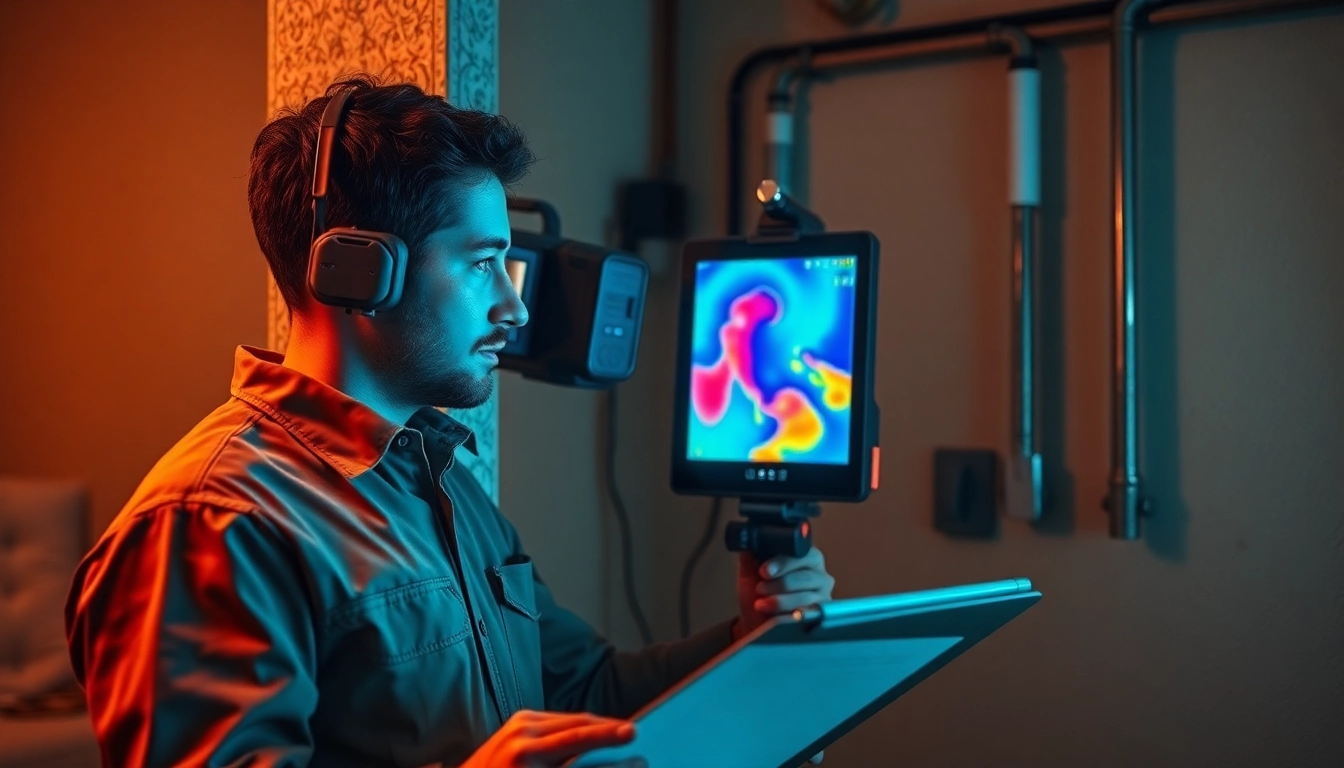
Thermal imaging cameras detect temperature differentials in walls, floors, and ceilings, pinpointing areas affected by leaks. This technology allows technicians to identify hidden leaks that are otherwise invisible, providing a clear visual representation of where the problem lies.
How Acoustic Listening Devices Work
Acoustic detection involves the use of sensitive microphones to listen for the sound of escaping water or gases. This method is particularly useful for finding leaks buried deep within walls or below the ground, where traditional methods might fail.
Pressure Testing: A Reliable Method
This method involves isolating sections of piping and monitoring changes in pressure. A significant drop in pressure can indicate the presence of a leak, allowing technicians to narrow down the search area effectively.
Cost and Value of Professional Leak Detection Services
Understanding the costs associated with leak detection services is essential for homeowners. While prices can vary, it’s important to consider the long-term savings that come from identifying and repairing leaks early.
Understanding Central Heating Leak Detection Costs
Typical costs for leak detection services can range based on several factors, including the complexity of the system and the detection methods used. Most professional services may charge in the vicinity of £595+VAT for a thorough assessment, covering multiple areas of the system. Such investment can save homeowners from significant repair costs down the line.
What to Expect in a Leak Detection Service
When you hire a professional leak detection service, you can expect a systematic approach:
- A comprehensive inspection of your entire heating system.
- Utilization of advanced detection technologies.
- A detailed report summarizing the findings, including visual evidence (photos) and recommendations for repairs.
Long-Term Savings from Early Detection
Investing in early leak detection can lead to substantial savings on repairs and energy costs. By identifying issues promptly, you can prevent the escalation of damage that may require extensive renovations and significantly higher expenses.
Common Myths About Central Heating Leaks
Understanding the realities surrounding central heating leaks can help homeowners avoid unnecessary complications. Here are some common myths debunked:
Debunking DIY Leak Detection Myths
Many homeowners believe that they can easily detect leaks themselves; however, DIY methods often fall short. Relying on visual inspections alone can lead to missed leaks that may require professional intervention later.
Understanding the Risks of Ignoring Leaks
Ignoring leaks can lead to much more than just elevated bills. The physical damage and potential health hazards from mold and structural issues highlight the importance of addressing leaks as soon as they are suspected.
Common Misconceptions About Leak Repairs
Some homeowners believe that repairs will be excessively invasive. However, with modern non-invasive techniques, leaks can often be discovered and repaired with minimal disruption to your home.
Future Trends in Leak Detection Technology
As technology evolves, so does the landscape of leak detection. Remaining informed about emerging trends can help homeowners make proactive decisions regarding their heating systems.
Innovations in Non-Invasive Leak Detection
New technologies are continually being developed to improve the precision and efficiency of leak detection. Innovations like machine learning algorithms are beginning to analyze data patterns, predicting where leaks are likely to occur.
The Role of AI and Smart Home Technology
AI-integrated systems can offer real-time monitoring. These smart systems can alert homeowners to changes in water pressure or unusual temperature readings, allowing for immediate action before substantial damage occurs.
Preparing for Emerging Technologies in 2025
As we look toward 2025, homeowners should prepare for more automated leak detection solutions that combine several technologies, providing even more comprehensive monitoring capabilities for peace of mind.
