
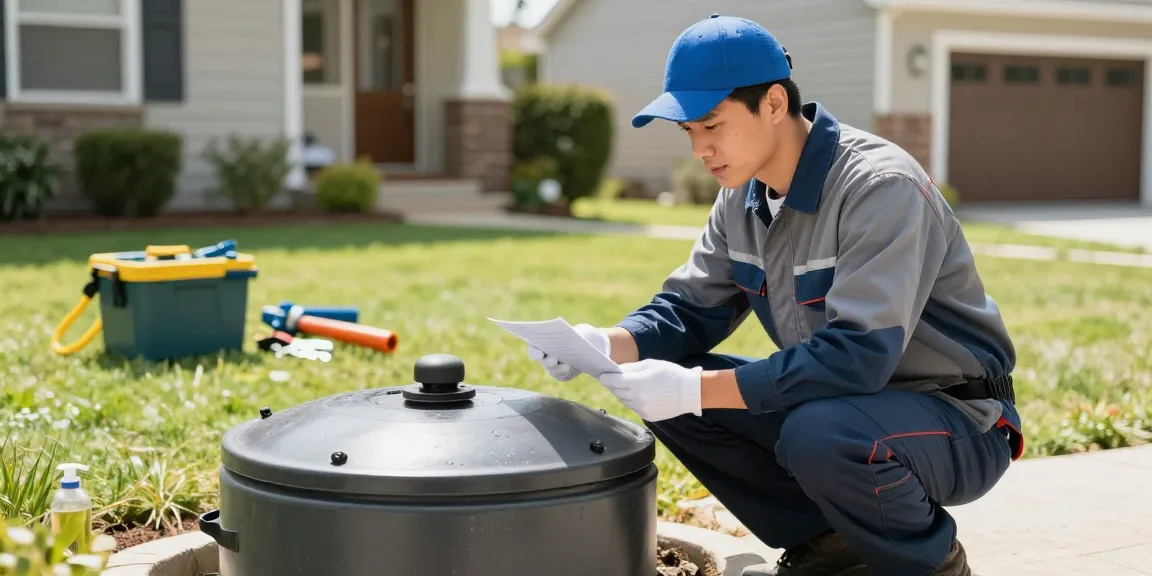
- Understanding Septic Service: What It Entails for Homeowners
- How to Choose the Right Septic Service Provider in Your Area
- Septic Service Pricing: Understanding Costs and Fees
- Emergency Septic Services: Are You Prepared?
- Maintaining Your Septic System: Seasonal Tips and Best Practices
- FAQs: Common Questions about Septic Service
Understanding Septic Service: What It Entails for Homeowners
When it comes to maintaining a healthy home environment, understanding the intricacies of your septic system is paramount. Septic service involves a range of essential maintenance and repair tasks designed to keep your system functioning optimally. For homeowners, this knowledge not only helps in ensuring the longevity of the septic system but also plays a crucial role in preventing costly emergencies.
Engaging with a trusted provider for septic service can significantly impact your home’s hygiene and safety. From regular pumping to inspections and repairs, understanding what septic service includes is the first step in protecting your property and your family.
What is Septic Service and Why is it Essential?
Septic service encompasses a variety of tasks related to the maintenance and repair of septic systems. At its core, it is essential because septic systems are responsible for treating and disposing of household wastewater. If your septic system fails, it can lead to significant health hazards and financial burdens. Regular maintenance, including pumping, inspections, and necessary repairs, ensures that your system operates efficiently and extends its life cycle.
Overview of Typical Septic Services Offered
- Septic Tank Pumping: This involves removing solid waste products from your septic tank, typically required every 3-5 years, depending on usage.
- Inspections: During an inspection, professionals assess the condition of your septic system, identifying any potential issues before they escalate.
- Repairs: Various repairs may be needed over time, from fixing leaks to replacing damaged components.
- Drain Field Maintenance: Your septic drainage field must be kept clear of debris to ensure proper drainage and biological treatment of wastewater.
Signs Your Septic System Needs Attention
Homeowners should be aware of common indicators of septic system issues. These may include:
- Slow drains or backups in sinks and toilets.
- Unpleasant odors near the septic tank or drain field.
- Pooling water or soggy ground around the septic area.
- Bright green grass over the drain field while the rest of the yard is dry.
How to Choose the Right Septic Service Provider in Your Area
Selecting a local septic service provider is a crucial decision that can impact your home’s functionality. Here are essential tips to consider:
Top Qualities to Look for in a Local Provider
When evaluating potential septic service providers, look for companies that are licensed, insured, and have experience in dealing with local regulations and permits. A dependable provider should also maintain an excellent reputation in the community, exhibiting a track record of satisfied customers.
Checking Licenses and Insurance for Peace of Mind
Always request proof of licensing and insurance from your chosen provider. A licensed contractor demonstrates that they meet the industry standards required to handle septic services. Insurance provides protection in case of accidents or damage during the service.
Customer Reviews: What They Reveal About a Company
Online reviews can provide valuable insights into a company’s reliability and customer service. Check platforms like Yelp and Google Reviews for feedback from past clients, looking at both positive and negative comments to gauge overall satisfaction levels.
Septic Service Pricing: Understanding Costs and Fees
Understanding the cost structure for septic services can help homeowners plan their budgets and avoid unexpected expenses.
Average Cost of Septic Services in Your Area
The average cost for septic tank pumping typically ranges from $250 to $500, depending on the size and location of the tank. Inspection services may cost between $100 to $300.
Factors Affecting Your Septic Service Cost
- Size of the Tank: Larger tanks generally require more time and resources for pumping and inspection.
- Location: Transportation costs can vary significantly based on the distance of your property from the service provider’s location.
- Age and Condition: Older systems or those in poor condition may require additional repairs or services that can increase the overall cost.
Cost-Saving Tips for Homeowners
To save on septic service costs, here are some practical strategies:
- Schedule regular maintenance to avoid costly emergency repairs.
- Be aware of your tank’s capacity and usage patterns to determine the frequency of pumping.
- Invest in a high-efficiency toilet and encourage water conservation practices to reduce the load on your septic system.
Emergency Septic Services: Are You Prepared?
Septic emergencies can strike at any time, making it crucial to be prepared and know who to call when issues arise.
Defining an Emergency in Septic Systems
An emergency in a septic system typically includes backups, significant leaks, or any signs of sewage coming to the surface. Such situations require immediate attention to avoid health risks and property damage.
What to Expect from Same-Day Service
When calling for emergency septic services, expect a prompt response from your provider. They should arrive in a timely manner, equipped with the necessary tools and knowledge to assess and mitigate the issue effectively.
Preparing for Unforeseen Septic Issues
To prepare for unexpected septic emergencies, consider keeping a list of reliable local service providers and their emergency contact information handy. Familiarity with your septic system can also help you identify issues more swiftly.
Maintaining Your Septic System: Seasonal Tips and Best Practices
Regular maintenance is critical to ensuring your septic system functions correctly year-round. Here’s what you can do:
Routine Maintenance Tasks Every Homeowner Should Perform
Every homeowner should engage in basic maintenance tasks, including:
- Regularly inspecting the drain field for signs of pooling or odor.
- Avoiding harsh chemicals that can disrupt the biological processes within your septic system.
- Keeping records of maintenance and repairs for tracking performance over time.
Understanding Seasonal Impacts on Your Septic System
Be aware that different seasons can affect your septic system. For example:
- Summer’s heavy rains can saturate the soil and limit drainage capability.
- Winter freezing temperatures may cause pipes to burst if not properly insulated.
When to Call the Professionals vs. DIY Maintenance
While some maintenance tasks can be handled by homeowners, professional assistance is often necessary for pumping, inspections, and repairs. Knowing the limits of DIY capabilities can prevent further damage and increased repair costs.
FAQs: Common Questions about Septic Service
How often should I pump my septic tank?
Typically, septic tanks should be pumped every 3 to 5 years. However, factors like the number of occupants in a home and the size of the tank can influence this need.
What are the dangers of neglecting septic system maintenance?
Neglecting maintenance can lead to backups, soil contamination, and significant repair costs. A malfunctioning septic system poses health risks to individuals and the environment.
How can I extend the life of my septic system?
Extending the life of your septic system involves practicing good maintenance habits, such as conserving water, avoiding flushing non-biodegradable items, and scheduling regular inspection and pumping services.. Additionally, Miltonsepticpumping.com provides further details.
